

Sleeping with Tailbone Pain (Coccydynia): Best Tips to Sleep Better
Gaurav Zatakia
- The right sleeping position can help reduce tailbone pain and pressure and improve sleep comfort.
- Side sleeping with knee support is often considered the most comfortable option.
- A supportive medium-firm or firm mattress can help reduce pressure points.
- Small changes like posture correction and stretching can support recovery.
- Persistent or severe tailbone pain should be assessed by a doctor.
What Is the Best Way to Sleep with Tailbone Pain?
The best sleeping position for tailbone pain is sleeping on your side with a pillow placed between your knees. Another helpful option is sleeping on your back with a pillow placed under your knees.
These positions help reduce pressure on the tailbone area and support correct spinal alignment. Try to avoid sleeping on your stomach because it can increase strain and discomfort.
What Is Tailbone Pain or Coccydynia?
Tailbone pain, also known as coccydynia, refers to pain around the coccyx, which is the small bone located at the bottom of the spine. This discomfort may develop after accidental falls, prolonged sitting, childbirth, repetitive strain, or poor posture.
People with tailbone pain often notice discomfort while sitting, standing up, or sleeping in unsupported positions.
Why Do Sleeping Positions Matter for Coccydynia?
For people suffering from tailbone pain, their discomfort can become worse at bedtime.
Here are some common reasons:
- Pressure builds up after long hours of sitting during the day.
- Poor mattress support may increase strain on the lower back and tailbone area.
- Sleeping positions can create spinal misalignment.
- Muscle stiffness and inflammation can become more noticeable during rest.
When these issues combine, finding a comfortable sleeping position that tackles tailbone pain becomes difficult. Hence, it's important to know the right positions that can help you sleep better at night.
Best Sleeping Positions for Tailbone Pain Relief
-
Side Sleeping: Often the Most Comfortable Option
Side sleeping is usually considered the best sleeping position if you suffer from tailbone pain because it reduces direct pressure on the coccyx area.
Benefits include:
- Helps keep the spine in a neutral position
- Reduces direct pressure on the tailbone
- Supports more balanced body alignment
Helpful tip: Place a pillow between your knees to improve hip and spine positioning.
-
Sleeping on Your Back
Back sleeping may also help if done correctly.
Benefits include:
- Distributes body weight more evenly
- Reduces concentrated pressure areas
- Supports spinal posture
Helpful tip: Place a pillow under your knees to reduce strain on the lower back.
Sleeping Positions That Can Worsen Tailbone Pain
While some sleeping positions help relieve tailbone pain, others can increase pressure and discomfort.
It's best to avoid:
- Sleeping on your stomach: This position can strain the lower back and place unnecessary pressure on surrounding muscles.
- Twisted sleeping postures: Sleeping in awkward positions may create uneven spinal alignment and increase discomfort.
Apart from sleeping positions, the mattress you use can also matter when dealing with tailbone pain at night.
Mattress Guide for Tailbone Pain
While sleeping positions play a major role in managing tailbone pain, choosing the right mattress also contributes to better sleep comfort.
Best Mattress for Tailbone Pain
A mattress that feels too soft may allow your body to sink deeply, increasing pressure around the lower spine and tailbone.
Medium-firm and firm mattresses usually work better because they can:
- Help maintain body alignment
- Reduce excessive sinking
- Support pressure relief
Why Mattress Support Matters
A supportive mattress helps your spine stay aligned through the night. This can reduce stress around pressure points and improve overall comfort.
For people looking for additional support, Flo's Ortho™ mattress is designed with firmer support layers that help maintain posture and reduce pressure build-up.
Explore Flo Ortho™ MattressPillows & Support Accessories to Help with Tailbone Pain
Additional support products can improve comfort both during sleep and throughout the day.
Helpful options include:
- Knee Pillow: Useful for side sleepers to improve alignment.
- Wedge Pillow: Supports back sleepers by slightly elevating posture.
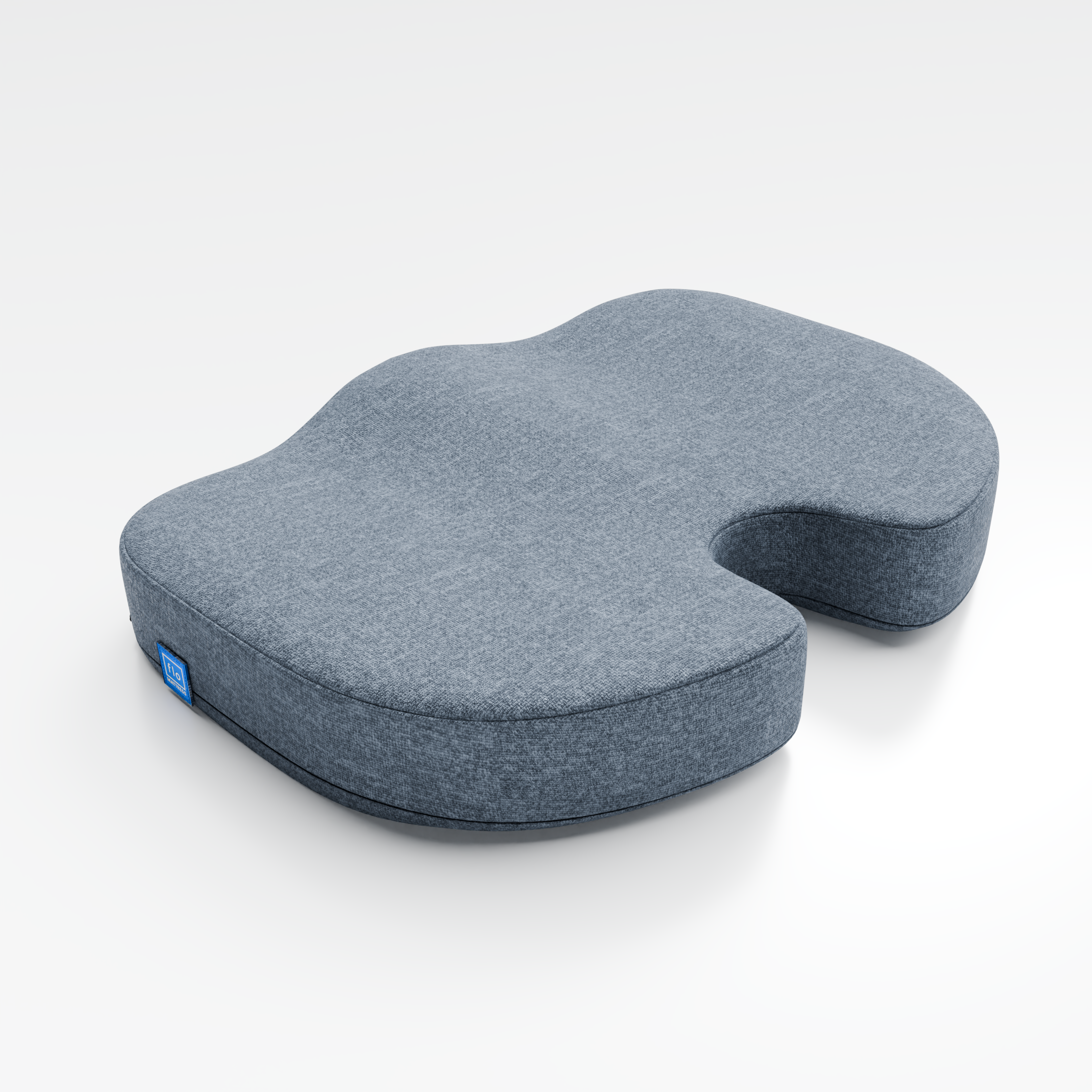
- Coccyx Cushion: Helps reduce sitting pressure during the day.
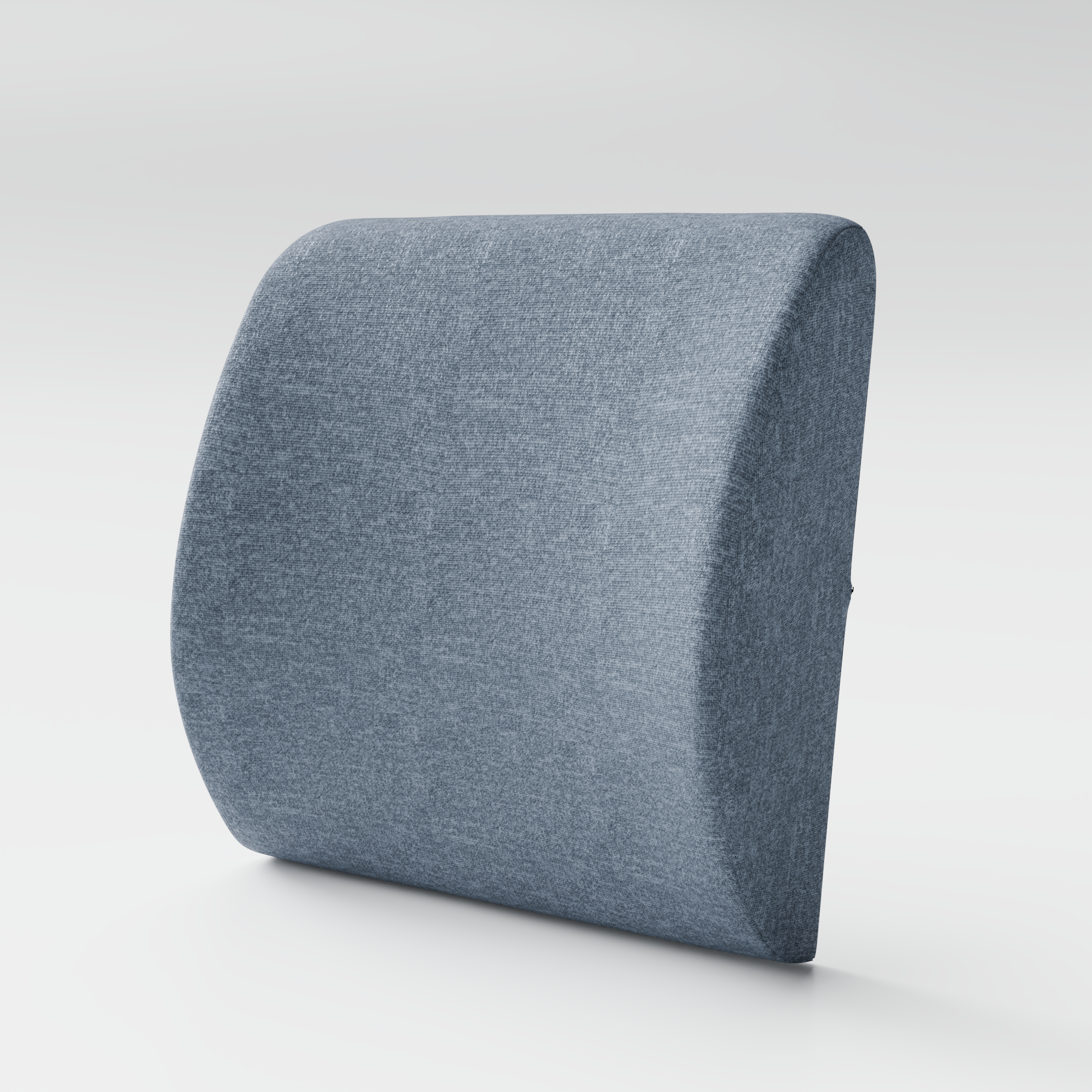
- Lumbar Support Pillow: Supports lower back comfort and posture.
Night-Time Habits to Help Reduce Tailbone Pain
Small bedtime habits may help reduce discomfort. You can try:
- Heat or ice therapy based on comfort needs
- Gentle stretching before bed
- Self-massage techniques for the surrounding muscles
Daily Habits That Can Improve Tailbone Recovery
Recovery often depends on daytime habits too.
Consider these changes:
- Take frequent breaks if you sit for long hours.
- Maintain good sitting posture.
- Use ergonomic seating support.
- Work on strengthening your core muscles with guided exercises.
When Should You Speak to a Doctor for Tailbone Pain?
Following simple habits and making practical lifestyle changes can help reduce pain to some extent. But if you are experiencing more than just minor discomfort that doesn't go away even after making these changes, then it's time to speak to a medical professional.
Some symptoms should never be ignored. So, speak with a doctor if:
- Pain continues for several weeks
- Symptoms started after a fall or injury
- You experience numbness or severe discomfort
- Pain becomes progressively worse
Final Thoughts
Learning how to sleep with tailbone pain often starts with making small changes.
- Choose the correct sleeping position
- Improve spine support
- Select the right mattress
Better sleep support can help reduce pressure and make nights more comfortable while your body recovers.
Frequently Asked Questions (FAQs):
1. What is the main cause of tailbone pain?
Tailbone pain commonly develops due to injury, prolonged sitting, childbirth, poor posture, or repetitive pressure around the coccyx area.
2. Can I sleep directly on my back with tailbone pain?
Yes, you can, but support matters the most. Place a pillow under your knees to reduce lower back strain and improve comfort if you want to sleep directly on your back.
3. Can a vitamin deficiency cause tailbone pain?
Low vitamin D3 levels have been associated with coccyx discomfort in some cases. Since vitamin D supports bone health, deficiency may contribute to pain symptoms.
4. What should you avoid if your tailbone hurts?
Avoid sitting on hard surfaces for long periods. Try to avoid positions that place additional pressure on the tailbone area.
5. How long does tailbone pain take to improve?
Mild tailbone pain often improves within a few weeks, although recovery can vary depending on the cause and severity. Please consult a doctor if the pain persists or gradually becomes worse.