

Types of Mattresses in India
Gaurav Zatakia
Flo Mattress offers a range of mattress types to suit every sleeper, including the Ergo (memory foam), Ortho (orthopedic support), and Anti-Gravity (100% natural latex) mattresses. Broadly, mattresses in India fall into five categories: foam (memory foam, latex, gel foam, poly foam), innerspring, hybrid, waterbed, and organic, each offering a different balance of comfort, support, and durability.
India's mattress market is growing quickly as more people prioritise good sleep and better bedroom essentials. From traditional coir and cotton to modern memory foam and latex, mattress types today are built to suit different sleeping positions, body types, and comfort needs.
This guide breaks down each type of mattress in India to help you choose the right one for your sleep.
Mattress Types at a Glance
| Mattress Type | Key Material | Feel & Support | Pros | Cons | Best For |
|---|---|---|---|---|---|
| Foam Mattress | Memory foam, latex, gel foam, poly foam | Soft to medium, body-contouring | Pressure relief, motion isolation | Can retain heat, less bounce | Side sleepers, joint pain |
| Innerspring Mattress | Metal coils | Firm, bouncy, breathable | Good airflow, affordable | Motion transfer, noise | Traditional mattress users |
| Hybrid Mattress | Foam + coils | Balanced comfort and support | Cooling, versatile feel | Heavy, expensive | Combination sleepers |
| Waterbed | Water-filled chambers | Adjustable firmness | Custom support, pressure relief | Maintenance, leak risk | Back pain, personalised comfort |
| Organic Mattress | Natural latex, cotton, wool | Medium-firm, breathable | Eco-friendly, hypoallergenic | Expensive, limited options | Eco-conscious sleepers |
Types of Mattresses Based on Materials
1. Foam Mattress
Latex Foam
For comfortable and supportive sleep, a latex foam mattress is a great pick, especially if you have joint pain or want to keep your spine in a natural position. They give you a light, bouncy feeling and take pressure off your joints and lower back. The mattress gently supports your neck and back to keep your spine in a natural position. Latex mattresses are also hypoallergenic, which is good if you have allergies or sensitivities.
Pros: Lasts long, is bouncy, good for allergies.
Cons: Expensive, might not shape as well as memory foam.
Best for: Those who want durability and support from more natural materials.
Memory Foam
As the name suggests, memory foam mattresses are made of a special kind of foam called memory foam. This foam has unique chemicals that make it contour to your shape, giving a slow-moving, cradling feel. Most memory foam beds have all-foam layers, but some hybrid models also use this material. Usually, you'll find memory foam on top and a solid polyfoam base.
People love memory foam because it feels like you're being hugged. When you press your body onto it, the foam takes your shape and slowly goes back to its normal shape when you get up. This extra cushioning and support make memory foam perfect for side sleepers and those who want a softer feel, especially if they have conditions causing pain.
Pros: Relieves pressure, absorbs movement.
Cons: Can be warm (Flo's version has 3D Air-Flo™ technology which helps you sleep up to 5° cooler), might smell funny for the first couple of nights.
Best for: People with joint pain, side sleepers, or couples who want less movement.
Gel Foam
Gel foam mattresses incorporate gel beads to enhance cooling. They offer better temperature regulation compared to traditional memory foam.
Pros: Improved cooling, pressure relief.
Cons: May still retain some heat, can be pricey.
Best for: Hot sleepers who want the contouring benefits of memory foam with added cooling.
Poly Foam
Among the many types of foam out there, one is called poly foam. Some online bedding companies create their own special blends of foam, so you can find a mattress that fits you just right without breaking the bank. Poly foam is made from chemicals and oil. Even though it sounds a bit scary, these chemicals are usually treated to make them safe.
Look for certifications confirming the foam is free of ozone depleters, mercury, lead, chemical flame retardants, formaldehyde, or heavy metals. Also, check how dense the foam is before you buy it. The denser it is, the longer it'll last.
Pros: Affordable, lightweight.
Cons: Less durable than other foam types, potential for off-gassing that releases volatile organic compounds (VOCs) and other chemicals into the air, which can result in a noticeable odour. While usually harmless, some individuals may find it unpleasant.
Best for: Budget-conscious shoppers or guest bedrooms.
2. Innerspring Mattress
Bonnell Mattress
Bonnell mattresses have metal coils inside for support and bounce. Each spring is hourglass-shaped, and the springs are connected to one another using helical (spiral) wire. As a result, pressure exerted on one side of the mattress transfers to the entire surface of the mattress. Nevertheless, these mattresses are good for airflow and keep you cool while you sleep. They're usually cheaper than other spring mattresses and feel bouncy, like traditional spring mattresses.
Pros: Good support, cool airflow.
Cons: If your partner tosses or turns on the mattress, you will feel the whole mattress move, and it might sag over time.
Best for: People who want a classic bounce and support without spending too much.
Pocket Spring Mattress
Pocket spring mattresses have individually wrapped coils that respond independently to movement, offering better motion isolation and support. Each spring is barrel-shaped and individually wrapped in pockets made from non-woven fabric. Individual pocket springs are then centre glued to each other, allowing them to respond to pressure individually, and without transferring motion to the other springs in the mattress.
Pros: Excellent motion isolation and good support.
Cons: May be pricier than Bonnell spring, potential for coil noise.
Best for: Couples or individuals seeking better motion isolation and support.
3. Hybrid Mattress
Hybrid beds are getting more popular because they mix foam and coils. You get the support of springs with the cosy feel of latex or memory foam. Usually, there are springs at the bottom and one to three layers of foam on top. The cool thing about hybrid mattresses is you can find one that fits you just right. Make sure to look into different companies and what they offer before you decide, but there's a hybrid mattress for everyone out there.
Pros: Balanced support and comfort, good motion isolation.
Cons: May be heavy, higher price point.
Best for: Sleepers who want the benefits of both coils and foam, especially combination sleepers.
4. Waterbed
Waterbeds use water for primary support and can be adjusted for firmness, providing customisable support and relief for back pain.
Pros: Customisable firmness, good for back pain relief.
Cons: Expensive, maintenance required, potential for leaks.
Best for: People wanting customised support and relief from pressure points.
5. Organic Mattress
An organic mattress is a bed made with materials that follow specific rules for natural production. These materials usually have certifications like the Global Organic Latex Standard (GOLS) or Global Organic Textile Standard (GOTS). Often, it's the parts of the mattress, not the whole thing, that get certified. Most organic mattresses use 100% natural latex because other materials like foams, metal coils, and air chambers might not meet organic standards. However, some of these beds try to be eco-friendly and might have natural materials like organic cotton or wool covers.
Pros: Environmentally friendly, hypoallergenic, breathable.
Cons: Expensive, limited availability.
Best for: Eco-conscious consumers, individuals with allergies or chemical sensitivities.
How To Choose The Best Mattress For You
Picking the right mattress comes down to matching it to how you actually sleep. Here's what to keep in mind before you buy:

Consider Your Sleeping Position
Back sleepers usually need firmer support to keep the spine aligned, while side sleepers benefit from a softer surface that cushions the shoulders and hips. Stomach sleepers often do best with a medium-firm mattress that keeps the midsection from sinking too low.

Factor in Your Body Weight
How a mattress feels depends a lot on body weight. Heavier sleepers tend to sink further into softer mattresses and may need firmer support, while lighter sleepers can find firmer mattresses too unyielding and may prefer a softer feel.

Think About Specific Health Concerns
Back pain, joint pain, or allergies can all point you toward a particular mattress type. Memory foam is known for relieving pressure points, while hypoallergenic materials like latex tend to work well for allergy-prone sleepers.

Test Different Mattresses Where You Can
Lie down in your usual sleeping position and see how a mattress actually feels before deciding. A few minutes of testing can tell you a lot about how it will hold up over months of regular use.

Make Use of Trial Periods and Warranties
Most reputable mattress brands offer trial periods and multi-year warranties. Making full use of these gives you the confidence that your new mattress will genuinely suit your sleep needs over the long term.
How to Enhance the Comfort and Durability of Your Mattress?
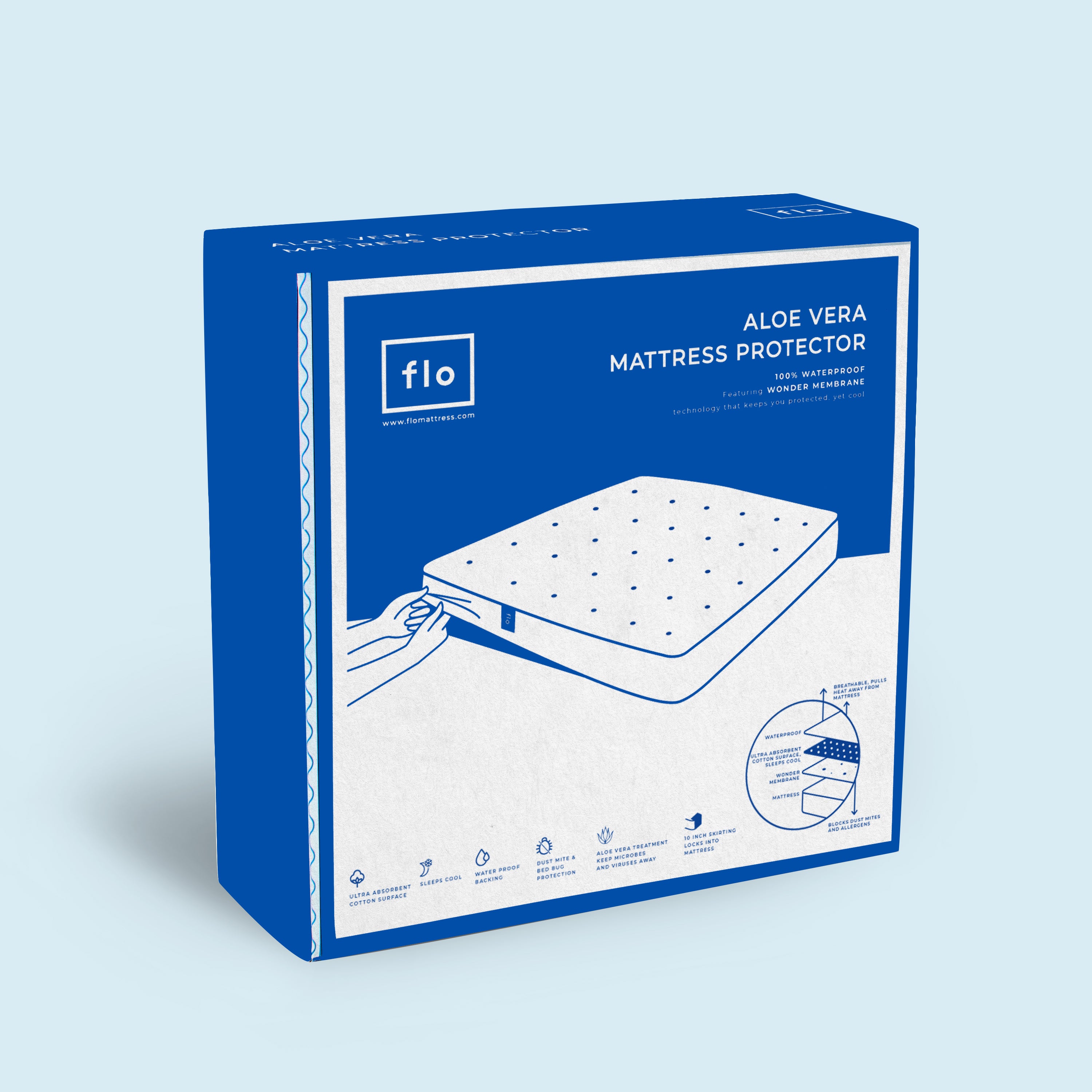
A mattress is a big deal. You want it to stay comfy for years and help you sleep well. But what if it starts to wear out? You could buy a new one, but that's not always needed. In times like this, using a mattress protector is the smartest choice to make your mattress last longer. It's a cover that goes over your mattress to keep it safe from spills and stains. Keeping your mattress protected when you're not using it is a good idea. It can make your mattress last way longer without much effort.
Closing Thoughts
Choosing the right mattress is essential for quality sleep and overall well-being. By understanding the different types available and considering individual needs and preferences, you can make an informed decision. Whether you prioritise support, comfort, or specific health concerns, there's a mattress tailored to meet your requirements. Invest in your sleep quality by selecting the perfect mattress that promises restful nights and rejuvenated mornings.
The key to a good night's sleep is the right mattress. Flo Mattress offers top-notch quality and comfort for your sleep sanctuary.
Explore Flo MattressFAQs
Which type of mattress is best for everyday use?
The best mattress for everyday use depends on individual sleep needs, body type, and comfort preferences. Options vary based on support and feel. Flo Mattress offers memory foam, latex, and ortho mattresses, allowing sleepers to choose what suits their daily comfort and long-term sleep requirements best.
Are foam mattresses better than spring mattresses?
Foam mattresses excel at pressure relief and motion isolation, while spring mattresses provide bounce and airflow. The better option depends on your sleep needs—foam suits pain relief and partners, while spring mattresses suit those who prefer a firmer, traditional feel.
How many types of mattresses are available in India?
There are several types of mattresses in India, including foam mattresses, innerspring mattresses, hybrid mattresses, waterbeds, and organic mattresses. Foam mattresses further include memory foam, latex foam, gel foam, and poly foam variants.
Which mattress type is best for back pain?
Ortho mattresses are best for back pain as they support proper spinal alignment and reduce pressure on the lower back. They offer firmer support that prevents excessive sinking and promotes healthier sleep posture. Explore Flo's Orthopedic Mattress.
Which mattress type is best for hot sleepers?
Hot sleepers benefit from mattresses with advanced cooling technologies, breathable materials, and airflow-enhancing designs. Flo's mattresses with 3D Air-Flo® Technology help dissipate heat and maintain a cooler sleep surface throughout the night. Explore Flo mattresses here.
How often should you replace your mattress?
Most mattresses should be replaced every 7 to 10 years, depending on usage and material quality. Visible sagging, loss of support, or persistent discomfort are clear signs that it's time for a new mattress.