

How to Get Rid of Bed Bugs in a Mattress
Gaurav Zatakia
Quick Answer: To get rid of bed bugs in a mattress, strip and wash all bedding in hot water, vacuum the mattress thoroughly (especially seams and folds), steam treat the surface, and encase the mattress in a bed bug proof cover for at least a year. For a lasting fix, pair treatment with a mattress that naturally resists bed bugs, such as a dense latex or memory foam design.
Bed bugs, those tiny, blood sucking pests, can be a nightmare to deal with. They often hitchhike into homes on luggage, clothes, or furniture. Once inside, they can quickly infest mattresses, furniture, and other areas, making it difficult to sleep peacefully. Here is everything you need to know to identify, treat, and prevent an infestation for good.
What are Bed Bugs?
Bed bugs are tiny, wingless insects that feed on human blood. They have a flat, oval shape and are usually light brown to reddish brown in colour. While they are visible to the naked eye, they measure about 5 millimetres long. They often hide during the day, making them difficult to spot. These nocturnal pests emerge at night to feed on sleeping humans.
Signs of Bed Bugs on a Mattress
1. Tiny reddish brown or dark specks
Small spots on mattresses, sheets, or nearby surfaces can indicate bed bug activity. These marks are often left behind where the insects rest or feed.
2. Unusual stains or traces
You may notice small dark marks or patchy residue on bedding or furniture. These can include eggs, shed material, or other signs left behind as bed bugs grow.
3. Live insects or eggs
Spotting small, flat insects around the edges of mattresses, seams, bed frames, or furniture joints is a strong indication. You may also find tiny, pale coloured eggs or empty shells hidden in fabric folds or tight corners.
4. Shed skins
As bed bugs grow, they shed their outer layers. These discarded skins are light in colour and often found near sleeping areas, indicating ongoing activity.
5. Unpleasant or musty odour
A persistent, slightly sweet or damp smell around sleeping areas can be an early indicator of a bed bug presence, especially when it cannot be linked to any other cause.
6. Itchy red bite marks
Clusters or lines of itchy red bites on exposed skin are commonly associated with bed bugs, though similar reactions can occur from other insects.
How to Get Rid of Bed Bugs in a Mattress?
You do not have to throw your mattress away the moment you spot bed bugs. While it can feel like the easiest fix, it is rarely the most budget-friendly one. Here is a step-by-step approach you can try before calling in a professional.
1. Strip and wash bedding
Remove all bedding, including sheets, pillowcases, mattress covers, and blankets, and place them directly into a sealed laundry bag to prevent spreading. Wash everything in hot water and dry on the highest heat for at least 30 minutes to kill bed bugs and their eggs.
2. Vacuum thoroughly
Vacuum the mattress, focusing on seams, edges, and folds. Also, clean the box spring, bed frame, headboard, and floor around the bed. Empty the vacuum into a sealed bag and dispose of it outside.
3. Use heat treatment or steam the mattress
Use a steamer on seams, tufts, and folds to kill bed bugs and eggs with high heat, around 120°F or 49°C. Move the steamer slowly and also treat the box spring, bed frame, and headboard. High heat is effective against bed bugs at every life stage.
4. Apply dusts (optional)
You can use bed bug powders like diatomaceous earth as an extra step. Lightly sprinkle into seams and crevices, allowing it to dry out and kill bugs over time. Use it safely and avoid applying it directly to the mattress surface where you sleep.
5. Encase the mattress
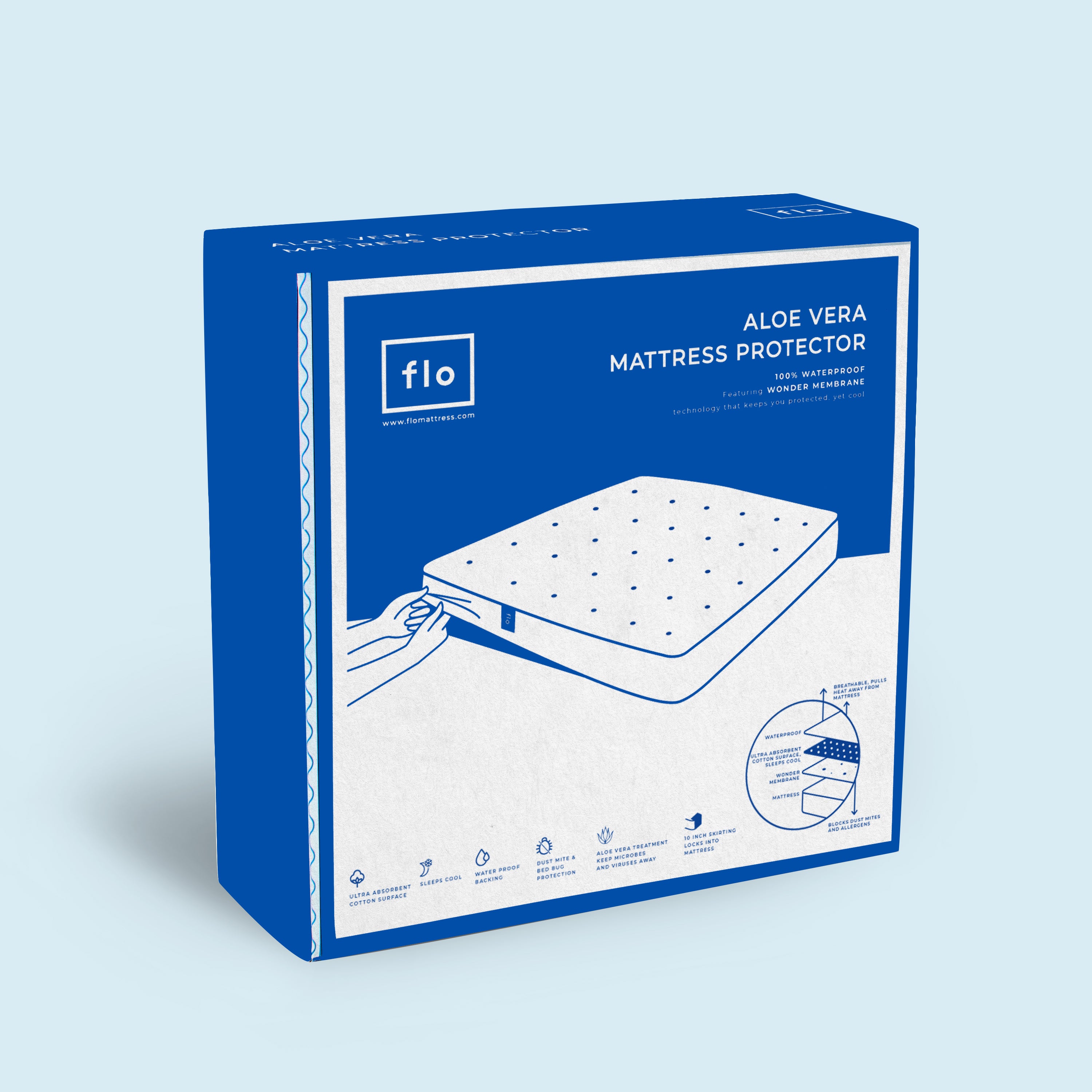
Once your mattress is cleaned and dried, cover it with a high-quality bed bug-proof encasement. These zippered covers trap any remaining bugs inside and stop new ones from getting in. Keep the encasement on for at least a year, giving time for any trapped bugs to die off completely.
6. Treat the bed frame and room
Do not forget to treat the rest of the bedroom. Treat cracks, furniture, and baseboards with safe bed bug solutions. Reduce clutter, clean regularly, and monitor for signs. For severe cases, consider professional pest control.
Treatment Options
Bed Bug Treatment Methods Compared
Different treatment methods can help control bed bugs, but no single method is guaranteed to eliminate an infestation. The right approach depends on where the bed bugs are hiding and how extensive the infestation is.
Important: Treating only the mattress may not be enough. Bed bugs can also hide in the bed frame, headboard, box spring, furniture, cracks, and other areas near the bed. Treat the surrounding area and continue monitoring for signs of activity.
1. Mattress encasement
Mattress encasement is a great method for controlling bed bugs. It involves covering your mattress with a special fabric that traps bed bugs and prevents them from getting out or into the mattress. This is especially useful for new mattresses because it keeps them free from infestations right from the start. The fabric used is typically a tightly woven, durable material like polyester or a blend of synthetic fibres, designed to be breathable yet impenetrable to bed bugs and dust mites.
2. Use tea tree oil
Tea tree oil is a home remedy option you can try. It is well known for its antifungal, antiseptic, and antibacterial qualities, but it also has properties that can target parasites like bed bugs. Applying tea tree oil to areas where bed bugs might be present can help get rid of these pests.
3. Baking soda
Baking soda is another effective home remedy. It works by drying out the bugs, as it absorbs moisture. Sprinkle a thin layer in areas where you suspect bed bugs are hiding to help dehydrate and eliminate them over time.
4. Borax
Sprinkling borax powder on your bare mattress, in cracks of furniture, or along wall edges and corners can help reduce an infestation. You can also mix borax with water in a spray bottle and apply it to your mattress to suffocate and kill bed bugs.
5. Use a steam cleaner
If you have a steam cleaner, use it to tackle bed bugs on your mattress and box spring. The high temperature of the steam helps kill the bugs and their eggs.
6. Sprays and repellents
You can use bed bug sprays that are safe for mattresses, cracks, and furniture. Look for products with proven ingredients like pyrethroids or essential oils. These sprays kill bugs on contact and can help prevent new ones from settling in.
7. Call professional exterminators
If the infestation is large or keeps coming back, it is best to hire licensed pest control experts. They have access to advanced treatments and can fully inspect and treat your home.
What Causes Bedbugs?
Bed bugs are sneaky travellers. You will not usually see them coming, but once they are in, they settle in fast. The most common way they get into your home is by hitching a ride on your bags, clothes, or second-hand furniture. If you have stayed in a hotel or visited a place where bed bugs were hiding, chances are they may have crawled into your luggage without you noticing.
They are tiny, flat, and excellent at hiding in tight spots like mattress seams, curtain folds, and behind wall hangings. You will not find them strolling across your living room floor in broad daylight. They come out at night, which makes it harder to spot them before it is too late.
If you have recently been to any of these places, it is a good idea to check your belongings when you get home:
- Budget hotels or motels
- Shared apartments and housing complexes
- Public transport, like buses and trains
- College dormitories and hostels
- Homeless shelters or group housing
- Cruise ships and overnight coaches
Even clean, high-end places can have them. Bed bugs do not care how tidy a place looks. They just want a warm spot and a host to feed on.
A quick tip
If you are returning from travel, leave your bags outside or in a dry area and inspect them before bringing them inside. Wash your clothes in hot water if you suspect anything. Also, be cautious when buying used furniture, especially beds and sofas.
Where Do Bed Bugs Hide?
Bed bugs are masters of disguise, capable of squeezing into the tiniest of cracks. Because they are about the size of a melon seed, they can easily hide in the smallest spaces. You will often find them clustered together in mattresses, box springs, and bed frames, where they have easy access to their human hosts during the night.
But do not limit your search to just the bed. These pests can also hide in loose wallpaper, bedside tables, or any other hidden spots near your bed.
Preventing Future Bed Bug Infestations
1. Regularly inspect your mattress
Check your mattress, seams, and bed frame every few weeks for signs of bed bugs or tiny black spots. Early detection can help you act before it turns into a full infestation.
2. Keep your bedroom clean and clutter-free
A clean space makes it harder for bed bugs to hide. Vacuum floors, wash bedding often, and reduce clutter around the bed to keep your room unwelcoming to pests.
3. Seal gaps
Seal up cracks in walls, baseboards, or furniture joints where bed bugs might sneak in or hide. Use caulk or filler to block these entry points completely.
4. Isolate the bed
Make sure your bed does not touch the walls, and avoid storing items under it. You can also use bed bug interceptor cups under bed legs to catch bugs before they climb up.
5. Be cautious when travelling
Always inspect hotel mattresses and headboards before settling in. When returning home, wash all travel clothes in hot water and avoid placing luggage on your bed.
Best Mattresses to Help Prevent Bed Bugs
Some mattress types naturally give bed bugs far fewer places to hide, which makes both detection and cleaning much easier.
1. Latex Mattress
Latex mattresses are a great option if you are looking to avoid bed bugs naturally. Because of their dense structure and minimal seams, they do not offer many hiding spots for bed bugs to sneak into. Natural latex is also resistant to allergens and pests, making it a hygienic and safer choice.
Flo Latex Mattress – Made with 100% natural latex, designed to be breathable and hypoallergenic, with a tightly knit outer cover that makes it tougher for bugs to find a way in.
2. Memory Foam Mattress
Memory foam is another smart choice when it comes to keeping bed bugs at bay. The foam has very few crevices or layers, so there are fewer spaces for bugs to hide. Since memory foam mattresses are usually made from one solid block, they do not have the inner springs or pockets where pests like to settle.
Flo Ergo Memory Foam Mattress – Combines high quality foam with a zipped, removable cover that is easy to clean, giving you a cleaner, safer sleeping surface.
3. Air Mattress
A temporary option. Made of plastic or rubber, so there is less surface for bugs to grip or hide in, and no foam or springs to nest in. Cheaper ones can develop seams or tears over time, so use them occasionally and keep them clean.
4. Innerspring Mattress with Protector
On their own, innerspring mattresses can attract bed bugs due to the open spaces inside the coils. Paired with a tightly fitted, zippered protector, they become much safer since the cover blocks even the tiniest bugs.
5. Hybrid Mattress
Mixes memory foam with innerspring coils. The foam layer reduces hiding spots, but the coils can still attract bugs if left unsealed, so a good protective encasement is especially important here.
6. Organic Cotton Mattress
Made without harsh chemicals, so it is better for you and the environment. When tightly woven, the fabric can act as a barrier against bed bugs, especially with a zippered cover.
7. Bamboo Mattress
Naturally resistant to bacteria, moisture, and dust mites. Often paired with memory foam or latex layers, which adds to its resistance, and stays breathable and temperature-regulating.
These five options can offer some resistance too, but generally need a good quality zippered protector to seal out bugs effectively. Dense, low-seam materials like latex and memory foam remain the most reliably bug-resistant choices on their own.
Upgrade to a Mattress Bed Bugs Hate
Upgrading to a dense, low-seam mattress can be one of the smartest long-term moves in preventing bed bugs. Firm, tightly constructed materials make it difficult for these pests to burrow and establish a home in your mattress. Unlike traditional mattresses that can have soft, porous materials, a dense build creates a barrier that bed bugs find challenging to penetrate.
Flo Latex Mattress
The Flo Anti-Gravity™ Latex Mattress is built with 100% natural latex, so its dense, firm structure leaves bed bugs with almost nowhere to hide. It is also hypoallergenic, reducing the risk of allergens and irritants that can affect your health, so you get natural bed bug resistance and healthier sleep in one upgrade.
Ready to sleep bug free? Upgrade to the Flo Latex Mattress today.
Shop Flo Latex MattressClosing Thoughts
Dealing with bed bugs can be stressful, but with the right approach, you can reclaim your mattress and your sleep. By taking preventive measures, using effective treatment methods, and maintaining a clean and bug free mattress, you can manage and eventually eliminate these pests. If needed, consider upgrading to a mattress with natural bed bug resistance, like the Flo Latex Mattress, to make your sleep environment even more secure.
FAQs
Do I have to throw my mattress away if I have bed bugs?
Not necessarily. A DIY approach of washing, vacuuming, steaming, and encasing your mattress can resolve many infestations. Replacement is usually only needed for severe, repeated infestations that do not respond to treatment.
How long does it take to get rid of bed bugs in a mattress?
A single treatment cycle of washing, vacuuming, and steaming can be done in a day, but full elimination often takes 2 to 4 weeks, since encasements need time to starve out any bugs trapped inside.
Can bed bugs live in a mattress without biting?
Yes. Bed bugs can survive for weeks between feedings, so an infestation may exist for some time before bites become noticeable.
Which mattress type is least attractive to bed bugs?
Dense, low-seam materials like natural latex and memory foam are generally the least hospitable to bed bugs, since they leave very few gaps for the insects to hide in.
Can I get rid of bed bugs without calling an exterminator?
Mild infestations can often be managed with hot washing, thorough vacuuming, steam treatment, and a bed bug proof encasement. Larger or recurring infestations are best handled by a licensed pest control professional.