

Mattress Lifespan: How to Make a Mattress Last Longer?
Gaurav Zatakia

When you invest in a mattress, you expect it to last for years. But the truth is, how long your mattress stays comfortable and supportive depends a lot on how you use and care for it. Many people replace their mattress sooner than necessary simply because they are not aware of simple maintenance habits. In this blog, you will understand how long a mattress typically lasts and what practical steps you can take to make it last longer, stay hygienic, and continue supporting your sleep properly.
Factors Affecting Mattress Longevity
-
1. Material
The material used inside your mattress has a huge impact on how long it will last. Different materials wear out differently over time. For example, high-density memory foam usually holds its shape longer compared to low-density foam. Latex mattresses are known for durability and bounce back ability, which makes them last many years. On the other hand, cheaper foam or low quality spring systems may start sagging much earlier.
Natural materials also tend to perform better in the long run because they resist body impressions and breakdown. The better the raw material quality, the longer your mattress will stay supportive and comfortable. So when you are buying a mattress, material should never be ignored just to save a little money upfront.
-
2. Sleeping Position and Body Weight
Your sleeping style and body weight also affect mattress lifespan more than most people realise. Heavier body weight puts more pressure on the mattress layers, especially around the hips and shoulders. Over time, this pressure can cause sagging or permanent dents in those areas.
Sleeping position matters too. Side sleepers usually create deeper pressure points compared to back sleepers. Stomach sleepers may strain the middle portion of the mattress. If the mattress is not designed for your body type and sleeping style, it will wear out faster.
This is why choosing a mattress that matches your body support needs is important. It not only improves sleep quality but also increases mattress life.
Read more about Sleeping Positions in this blog.
-
3. Mattress Type
The type of mattress you choose plays a big role in durability. Innerspring mattresses generally have a shorter lifespan because coils lose tension over time. Memory foam mattresses last longer but may soften gradually depending on foam quality. Latex mattresses are among the most durable options available today.
Hybrid mattresses combine foam and springs, so their lifespan depends on the quality of both layers. If one layer breaks down faster, overall comfort gets affected. Each mattress type comes with its own strengths and limitations.
Understanding these differences helps you set realistic expectations. It also helps you choose a mattress that fits both your comfort needs and long-term usage plans.
Read more about Types of Mattresses in India.
Essential Tips To Make Your Mattress Last Longer
Here are some tips that can help your mattress last longer:
-
1. Use a Mattress Protector
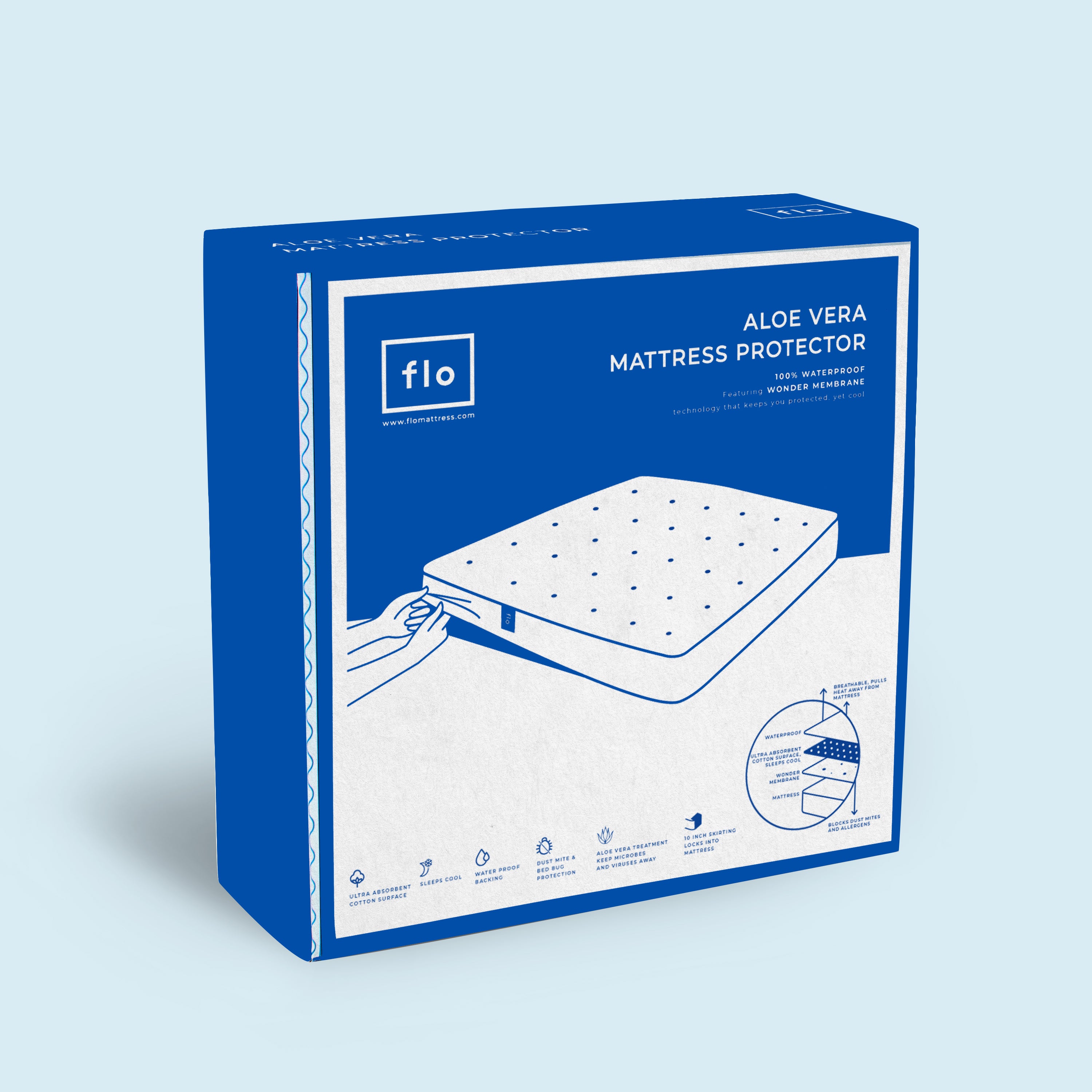
A mattress protector is one of the simplest ways to increase the life of your mattress. It creates a barrier between your body and the mattress surface, stopping sweat, spills, body oils, and dust mites from sinking into the foam or springs. Over time, these things can cause stains, bad odour, and material breakdown. Protecting the surface keeps the mattress cleaner and more hygienic for longer.
Flo Tip: Flo's Aloe Vera Gel Infused Waterproof Mattress Protector is ultra absorbent, allows airflow to prevent overheating, protects against bed bugs, and features secure 10-inch skirting that won't bunch up at night. -
2. Rotate or Flip Regularly
If you sleep in the same spot every night, your mattress will slowly develop body impressions in that area. This uneven pressure can make the mattress feel worn out faster than it should. Rotating your mattress every three to six months helps distribute weight more evenly so no single area takes all the pressure.
Flo Tip: Flo mattresses are reversible — the top layer is rated 6/10 firmness (medium firm) and the base layer 9/10 (extra firm). Switching sides not only changes your comfort experience but helps the mattress age more evenly over time. -
3. Check Your Bed Frame and Support
Even a high-quality mattress will not last long if it sits on a weak or uneven base. If the bed frame bends or the slats are too far apart, the mattress can start to dip. This puts strain on the internal layers and may even lead to back discomfort over time.
Flo Tip: Flo's Anti Sagging Mattresses with Shape Shield Technology are built to maintain structure and resist bending — but always pair them with a sturdy, evenly balanced bed frame for best results. -
4. Keep Your Mattress Clean
Over time, dust, dead skin, sweat, and allergens build up on the mattress surface. If not cleaned regularly, this can affect hygiene and slowly damage the materials. A simple routine can make a big difference. Vacuum the mattress once a month using an upholstery attachment to remove dust and debris. Plan a deeper clean every six months, or more often if you have allergies, pets, or frequently eat in bed.
For stains, always spot clean gently. Use a mild detergent or enzyme based cleaner and blot with a clean damp cloth. Avoid soaking the mattress because excess moisture can damage the inner layers and encourage mould growth. Harsh chemicals and heavy scrubbing should also be avoided.
Flo Tip: Following a proper cleaning process keeps your mattress fresh and protects its structure. Vacuum monthly and deep clean every six months for best results. -
5. Avoid Pressure on One Spot
Consistently sitting on the same edge or sleeping in the exact same position every night concentrates pressure in one area. Over time, that section may soften or dip sooner than the rest of the mattress. To prevent this, try to vary your sleep position and avoid using the mattress edge as a sitting area for long periods.
Flo Tip: Flo's Responsive Foam mattresses adapt to your body and recover shape quickly once pressure is removed — helping maintain comfort across the entire surface for a longer period. -
6. Follow Manufacturer Care Instructions
Every mattress is made from different materials, whether foam, springs, or hybrid combinations. Each material reacts differently to heat, moisture, and cleaning products. Following the manufacturer's care guidelines helps prevent accidental damage that could shorten the mattress lifespan or affect the warranty.
Flo Tip: Flo provides clear instructions for rotation frequency, cleaning methods, and suitable bed bases. Paying attention to these details ensures your mattress continues to provide comfort for years to come.
How Long Does a Mattress Usually Last?
If you are investing in a mattress, it is normal to wonder how long it will actually serve you. While comfort may start changing earlier depending on usage, here is the general lifespan of different types of mattresses.
- Memory foam-8 to 10 years
- Ortho-10 years
- Latex-8 to 12 years
- Hybrid-8 to 10 years
- Innerspring-6 to 7 years
These numbers can vary depending on body weight, usage, maintenance, and overall build quality. Rotating your mattress regularly and using proper support can help it last closer to its maximum lifespan.
What Should You Avoid Doing to a Mattress?
Taking care of your mattress is just as important as choosing the right one. Here are common things to avoid if you want it to last longer.
Sudden pressure damages foam layers and spring systems, reducing the mattress's overall life.
Most mattresses are not designed to be folded. Bending them damages the internal structure and affects support.
Pets leave behind fur, scratches, moisture, and dirt, all of which affect hygiene and can damage the surface fabric.
Without protection, spills, sweat, and allergens slowly break down the mattress material over time.
Food crumbs and liquid spills attract insects and cause stains. Small spills can seep inside and affect foam layers.
Looking to invest in a mattress designed to last longer with minimal maintenance? Explore options built for durability, comfort, and long-term sleep health.
Explore NowFrequently Asked Questions (FAQs)
How to protect a mattress when not in use?
Is it better to steam or vacuum a mattress?
Which mattress has the longest lifespan?
How many years can you use a mattress for?
Does a mattress have an expiry date?