


Mattress Sliding on the Bed? 7 Easy Ways to Keep It in Place
Gaurav ZatakiaDoes your mattress keep sliding out of place every time you sit, sleep, or get out of bed? A shifting mattress can be frustrating, especially when you have to keep adjusting it throughout the day.
The good news is that you don't need to replace your mattress to fix the problem. Whether it's a slippery bed base, an incorrect mattress size, or a loose bed frame, there are simple ways to keep your mattress from moving.
First, check whether the mattress is sliding on the bed base or the entire bed frame is moving. If only the mattress shifts, clean the contact surfaces, confirm the mattress fits the frame, and consider a breathable non-slip gripper that is suitable for your mattress. If the whole bed moves, secure its legs and joints before adding anything underneath the mattress.
Start with simple fixes and try one change at a time. The seven methods below are arranged in practical order:
- Clean the mattress underside and bed base
- Add a non-slip mattress pad or gripper
- Check mattress and bed-frame dimensions
- Stabilise the bed frame
- Use gap fillers or edge supports
- Try removable hook-and-loop fasteners
- Replace a badly mismatched or unsuitable component
Why does my mattress keep sliding?
Sliding can happen when there is too little friction or too much free space between the mattress and its base. Smooth laminate, polished wood, metal slats, and some mattress cover fabrics can provide less grip, which may allow the mattress to shift on wooden or metal bed frames.
Check for these causes before buying anything:
- Incorrect size: A mattress that is smaller than the frame's internal area has room to shift.
- No raised edges: Flat platforms without side rails or retainers do not physically contain the mattress.
- Dust and debris: Dust between the mattress and bed base can reduce grip.
- Bed movement: Loose joints, uneven legs, unlocked castors or a slippery floor can move the entire frame.
- Smooth materials: A polished, laminated or painted platform surface may provide less grip and allow the mattress to shift.
7 ways to keep your mattress from sliding
1. Clean the mattress underside and bed base
Strip the bedding and lift the mattress with a second person. If the care label allows, gently vacuum the underside, then vacuum the frame corners, slats, and platform surface. Wipe a wooden or metal base with a slightly damp cloth and let it dry completely before putting the mattress back.
Dust and debris can reduce grip over time, so cleaning is the sensible first move when a mattress keeps sliding. Follow the care label and avoid soaking foam or mattress fabric. Flo's mattress cleaning steps cover the process in more detail.
2. Add a non-slip mattress pad or gripper
Place a breathable, purpose-made mattress gripper between the mattress and the bed base, provided it is compatible with both. Choose a gripper suitable for your bed base, whether it is a wooden platform or a slatted frame. Follow the manufacturer's instructions for fitting and trimming it so that it stays flat without affecting the mattress's support or ventilation.
For a reliable fit:
- Use a gripper large enough to provide adequate grip without covering ventilation openings or interfering with the bed base's support.
- Choose a breathable gripper that is compatible with your mattress cover and bed frame. Check the product instructions for any staining or care warnings.
- Lay it flat, without folds, and check its position during regular mattress rotation.
A non-slip pad may help when the mattress fits the frame but slides on a smooth surface. Avoid materials that retain moisture or leave residue.
3. Check mattress and bed-frame dimensions
Measure the bed frame's internal length and width - not its outside edges. Then measure the mattress from seam to seam without compressing it. Check both ends, because handmade or older frames are not always perfectly square.
A small, even clearance can make changing sheets easier and may be expected depending on the frame design. A larger gap gives the mattress more room to shift. When the size mismatch is substantial, correcting the mattress-to-frame fit is more appropriate than relying on multiple anti-slip accessories. Flo offers custom mattress sizing when standard Indian dimensions do not match an existing bed.

4. Stabilise the bed frame
If the frame shifts when you sit or get up, fixing the mattress alone will not solve the problem. Tighten accessible nuts, bolts, and screws according to the frame maker's instructions. Lock castors, check that every leg makes solid contact with the floor, and replace missing floor protectors with non-slip furniture cups.
On tiled floors, rubber cups under the legs can help reduce bed movement by improving grip between the frame and the floor. Avoid continuing to use a cracked frame or bent support. Ask a carpenter or the bed manufacturer to inspect structural damage and advise on repair or replacement.
5. Use gap fillers or removable edge supports
For a narrow gap beside the mattress, insert firm upholstery foam or purpose-made bed-gap fillers along the frame edge. The filler should sit against the frame, not create a hard ridge under the sleeping surface.
A flat platform with no lip may accept removable or manufacturer-approved retainers, which are especially useful when movement happens in one consistent direction. Check that any brackets have smooth, padded contact points that cannot catch the mattress cover. Avoid drilling into the bed frame unless the manufacturer confirms that it is safe and you have permission to modify the bed.
6. Try removable hook-and-loop fasteners carefully
Hook-and-loop straps may help with persistent sliding, but consider them only after cleaning, measuring, and trying a gripper first. Where the frame design allows it, straps that wrap around suitable frame sections may be preferable to adhesive strips applied directly to mattress fabric.
If adhesive-backed fasteners are the only practical option, check the mattress and bed manufacturer's care instructions before applying anything. Adhesives may stain fabric, pull fibres, or leave residue. Avoid applying glue, strong construction tape, or permanent adhesive directly to mattress fabric.
7. Replace a badly mismatched or unsuitable component
Replacement is the last option, not the automatic answer. It makes sense when the mattress is substantially smaller than the frame, when the base cannot safely support it, or when the frame is damaged beyond practical repair.
Identify the cause before spending money. A sound mattress paired with an oversized bed may only need a correctly sized base. A suitable frame with a severely undersized mattress calls for a better-fitting mattress. If an old mattress is already being replaced for comfort or condition reasons, follow responsible options to dispose of your old mattress.
Which mattress-sliding fix should you try first?
Choose the fix that matches what you observed:
- Start here: Vacuum and wipe both contact surfaces.
- For smooth bases: Try a breathable, mattress-safe non-slip gripper that provides grip without blocking necessary ventilation.
- For visible gaps: Measure the frame internally and correct the fit.
- When the entire bed moves: Stabilise the legs, joints and castors.
- For persistent sliding: Use approved retainers or removable straps.
Mattress sliding often comes down to grip, fit, or frame movement. Addressing the observed cause is more practical than stacking several accessories under the mattress without identifying the issue.
Frequently asked questions
How do I stop my mattress from sliding without buying anything?
Vacuum the mattress underside and the base, tighten the bed frame, lock any castors, and check that the mattress is centred. If dust is making the mattress slip, cleaning may help reduce the movement. If it continues, check the mattress size and bed frame.
Can I put a yoga mat under my mattress?
A yoga mat is not the ideal long-term solution for a sliding mattress. Some mats may trap moisture, leave marks on the mattress cover, or interfere with ventilation. A breathable, purpose-made mattress gripper that is compatible with your mattress and bed base is generally a more suitable option.
How can I keep a mattress in place on wooden slats?
Clean the slats, confirm they are secure, and place a breathable non-slip mesh across them. Make sure the mesh cannot sag through wide gaps, and follow the mattress maker's requirements for slat spacing and support.
Will a mattress protector stop the mattress from moving?
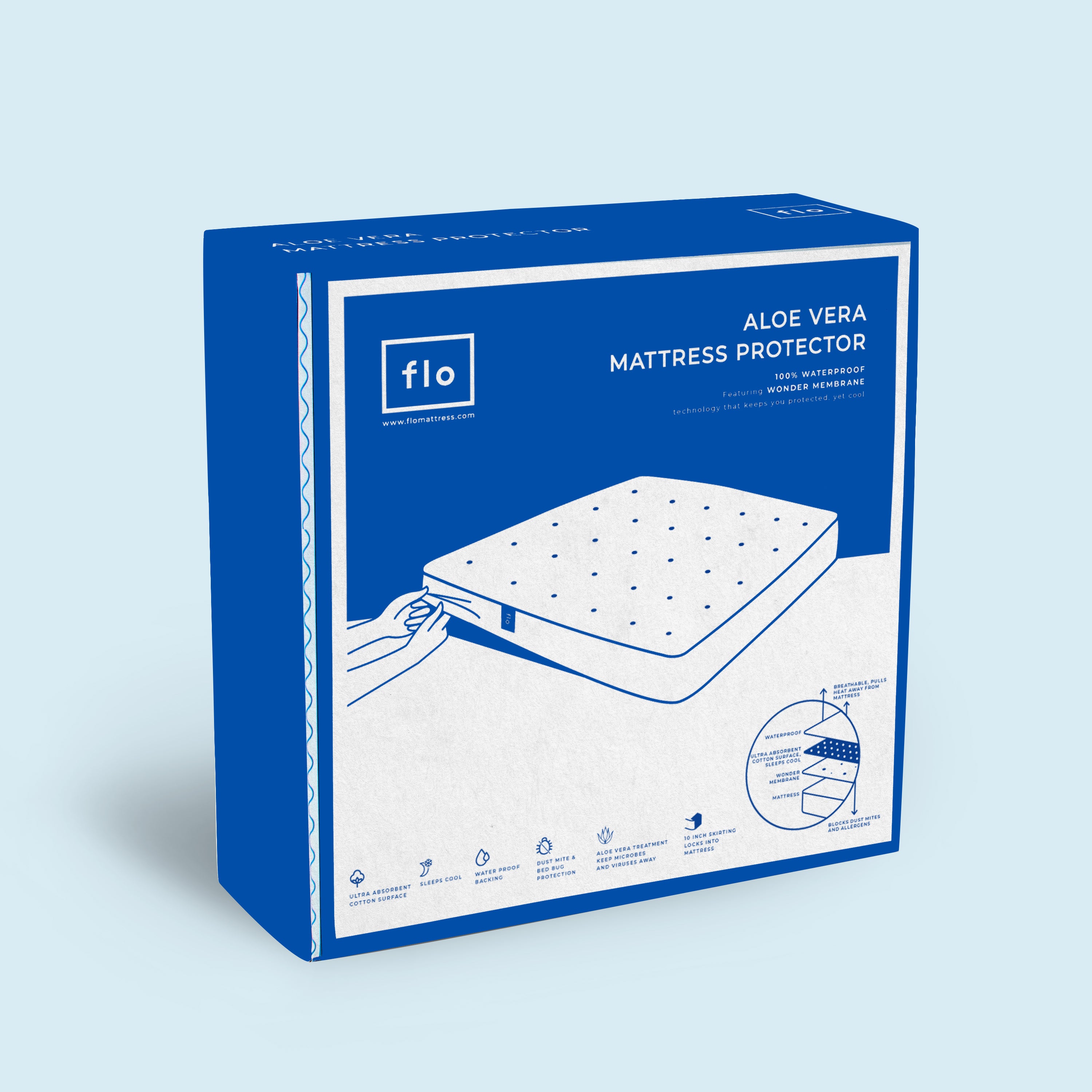
No. A mattress protector helps protect the mattress from spills and dirt, but it does not secure it to the bed base. If your mattress keeps sliding, check that it fits the bed frame correctly and consider using a compatible non-slip gripper.
Does sliding mean my mattress needs replacement?
Not necessarily. Sliding can result from low friction, excess frame space, or bed movement, so it does not automatically mean the mattress is worn out. Replacement may be worth considering when there is a major size mismatch, unsuitable support, structural damage, or a separate reason to change the mattress.